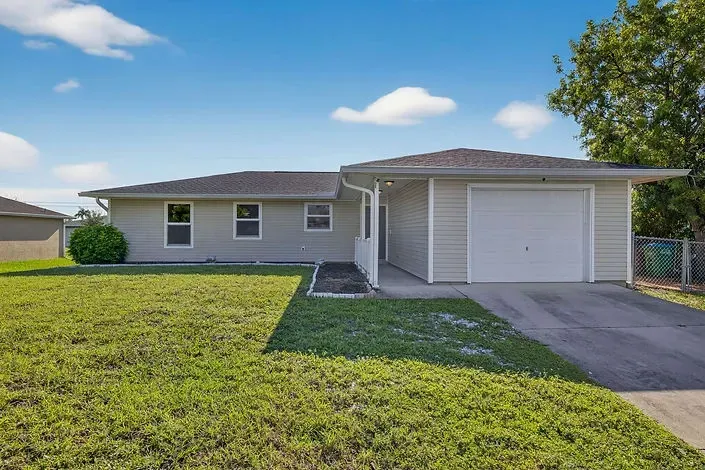
How to Invest in Co-Living Properties In Florida
How to Invest in Co-Living Properties In Florida
colivinginflorida.com
Getting Started with Investing in Cash Flowing Co-Living Properties in Florida
Investing in co-living properties can be a lucrative venture, especially in a vibrant market like Florida. Below are the necessary steps to get started:
1. Research the Market
Identify key cities in Florida with high demand for co-living spaces, such as Miami,
Orlando, and Tampa.
Analyze demographic trends, rental rates, and occupancy levels.
Understand the local regulations and zoning laws regarding co-living arrangements.
2. Develop an Investment Strategy
Outline your investment strategy, time frame, target properties and expected returns.
Define your budget, including acquisition costs, renovations, and ongoing expenses.
Set clear financial goals, such as cash flow targets and ROI expectations.
3. Secure Financing
Explore different financing options such as DSCR loans, Hard money loans, conventional mortgages, private lenders, or JV partnerships with companies such as CoLiv Wealth Partners.
Prepare your financial documents, rental proformas, credit reports and income statements for lenders.
Consider leveraging other investment properties to fund your co-living rentals.
4. Find Suitable Properties
Work with a real estate agent experienced in co-living properties such as the Fautz group.
Look for properties that can accommodate multiple tenants, such as larger single-family homes or multi-family units.
Evaluate potential properties based on their location, condition, and layout.

5. Assess Property Management Options
Decide whether to manage the property yourself or hire a property management company who specializes in Co-living rentals such as CoLiv Management Services.
If managing yourself, develop a system for tenant screening, lease agreements, and maintenance.
If hiring a company, research and interview potential property managers who understand the co-living rental market in Florida to find a good fit.
6. Renovate and Furnish the Property
Make necessary renovations to create a comfortable living environment that appeals to tenants.
Furnish common areas and individual rooms to enhance the co-living experience.
Ensure that the property meets safety and health regulations.
7. Market the Property
Create an online presence through social media and rental platforms.
Utilize local advertising and community outreach to attract potential tenants.
Highlight the benefits of co-living, such as affordability and community living.
8. Screen Tenants
Implement a thorough tenant screening process, including background checks and income verification.
Develop clear guidelines and expectations for tenants to ensure a harmonious living environment. House rules are a must and communicated to all tenants,
9. Monitor and Adjust
Regularly review financial performance and occupancy rates.
Solicit feedback from tenants to improve the living experience.
Be prepared to adjust your strategy based on market conditions and tenant needs.
10. Stay Informed
Keep up with local real estate trends and changes in rental laws.
Network with other co-living property investors and attend industry events.
Continuously educate yourself on property management and investment strategies.
To learn more how to purchase and invest in a cash flowing Co-Living Property in Florida CoLiv Management Services is a great place to start.
CALL TODAY TO LEARN MORE (239) 360-3164
